BUILD THE WHOLE LOOK
How to combine clothes from different stores into one outfit
Your next outfit might be spread across three browser tabs. Bring the pieces together before you decide what to order.
You find a blouse you like, but the trousers styled with it are sold out. Another store has a pair that might work. Now you are switching between tabs, trying to imagine whether the two pieces belong in the same outfit.
There is no reason your whole look has to come from one retailer. The difficult part is comparing pieces photographed on different people, in different lighting, with different styling. A useful starting point is to bring the garment references together and judge the combination on the same photo of yourself.
Start with one piece you want to wear
Choose an anchor: the blouse you found, a jacket you already own, or trousers you keep reaching for. Then give the outfit a purpose. A combination for a relaxed dinner may need something different from a look for a day at work.
For example, a loose blouse and wide-leg trousers might give you the relaxed shape you want. If the combination feels too loose for your preference, compare the same blouse with straighter trousers. Keeping one piece fixed makes the difference easier to see.
Bring the references into one place
- Keep a clear image of each piece. Use a reference where the garment is easy to distinguish. Avoid a crop that removes the hem or hides the sleeves.
- Record the exact version. Note the store, product link, color, and any variant you are considering. A preview is less useful if you later order a different cut.
- Add a photo of yourself. Choose even lighting and a view that includes the parts of the outfit you want to compare. Use the same reference photo for each option.
- Compare the pieces together. Look at the blouse and trousers as a combination, then change one item at a time rather than replacing everything at once.
A simple comparison: blouse A + trousers B, then blouse A + trousers C. Ask which combination you would actually reach for, rather than which product image looks better on its own.
What to look for in the combined outfit
Color: do you like the colors next to each other? An olive overshirt with beige chinos gives you one reference; switching the trousers to a darker shade gives you another. Product photography and generated images can alter color, so check the original listing too.
Shape: consider the balance between the top and bottom. Look at where a jacket appears to end and how much volume you prefer through the outfit. Treat generated hems and proportions as an approximation.
Where you will wear it: picture a real occasion, including the shoes and layer you would normally add. If the look only works after buying several more things, decide whether it still makes sense for you.
The example below shows two garment references brought into one SeeWear preview. It illustrates the combination workflow; it does not establish that these pieces came from particular stores.
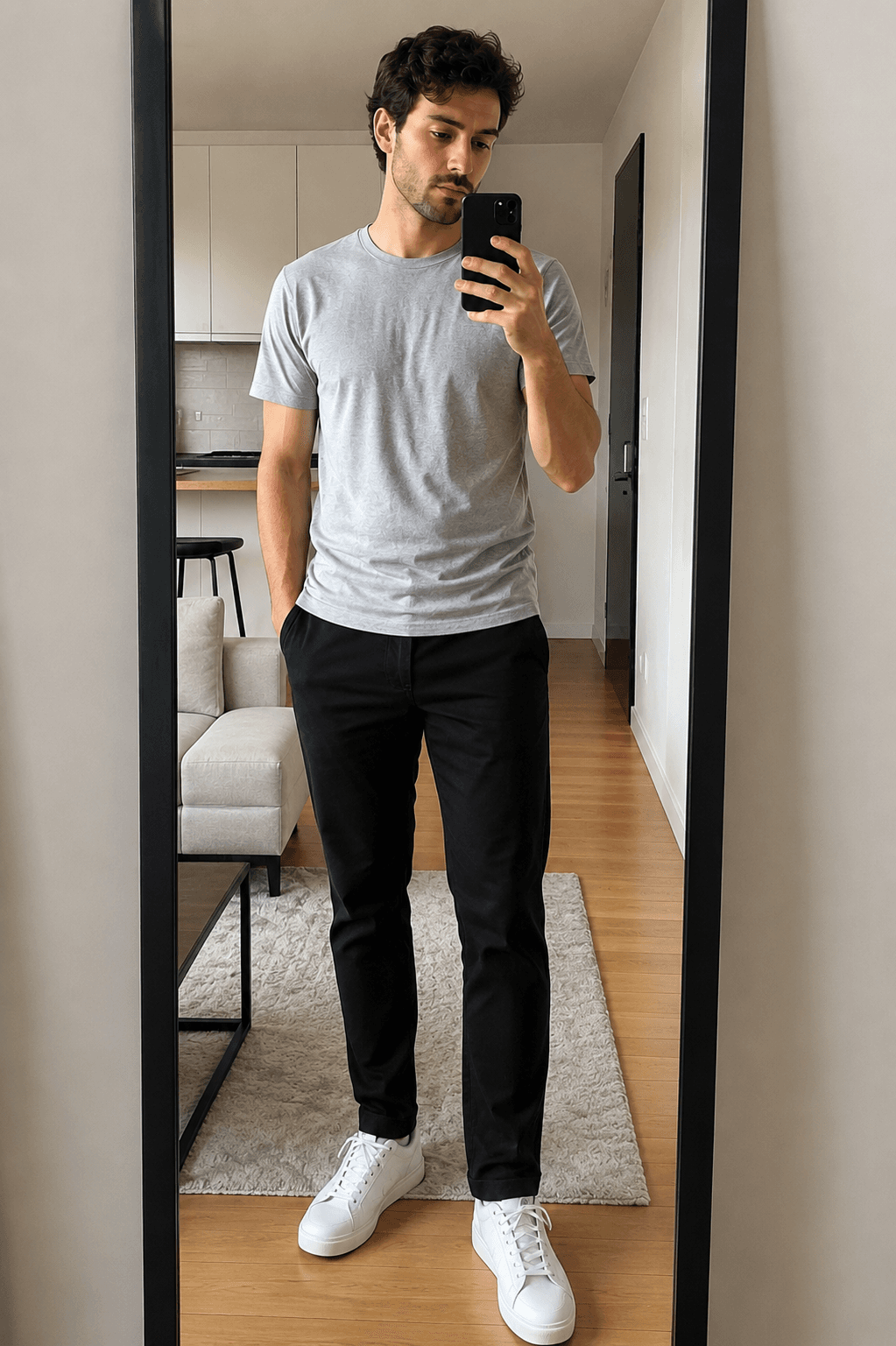
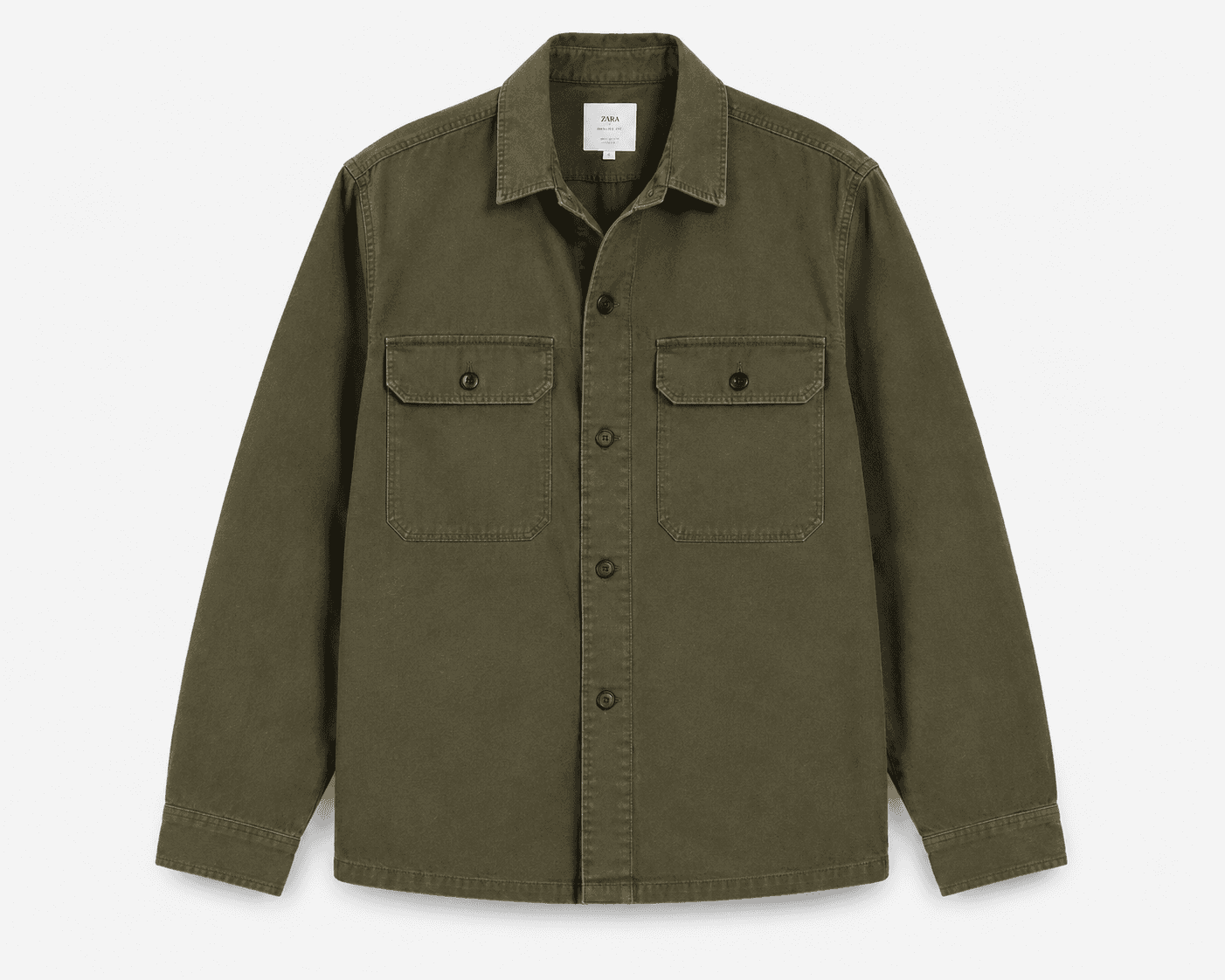
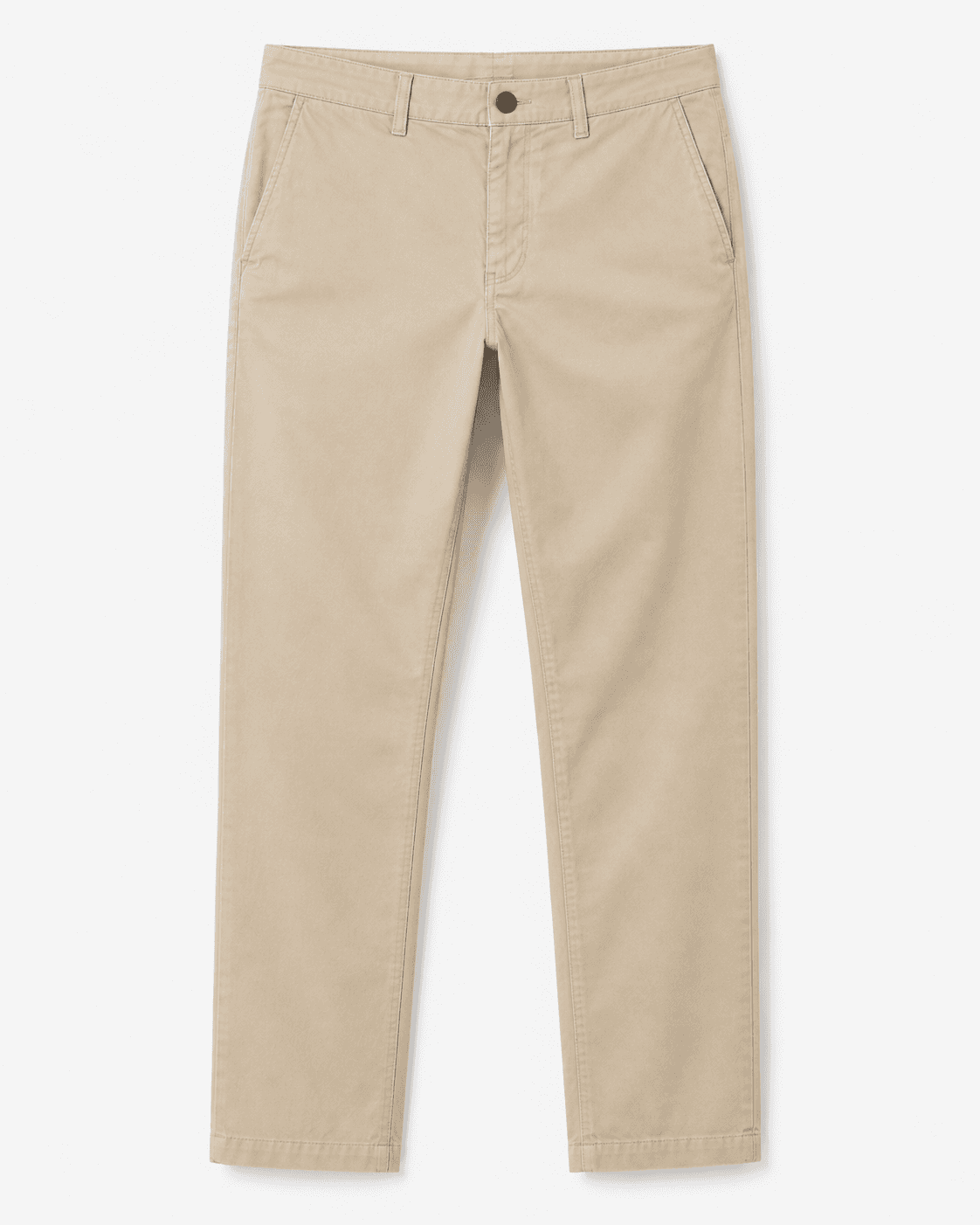
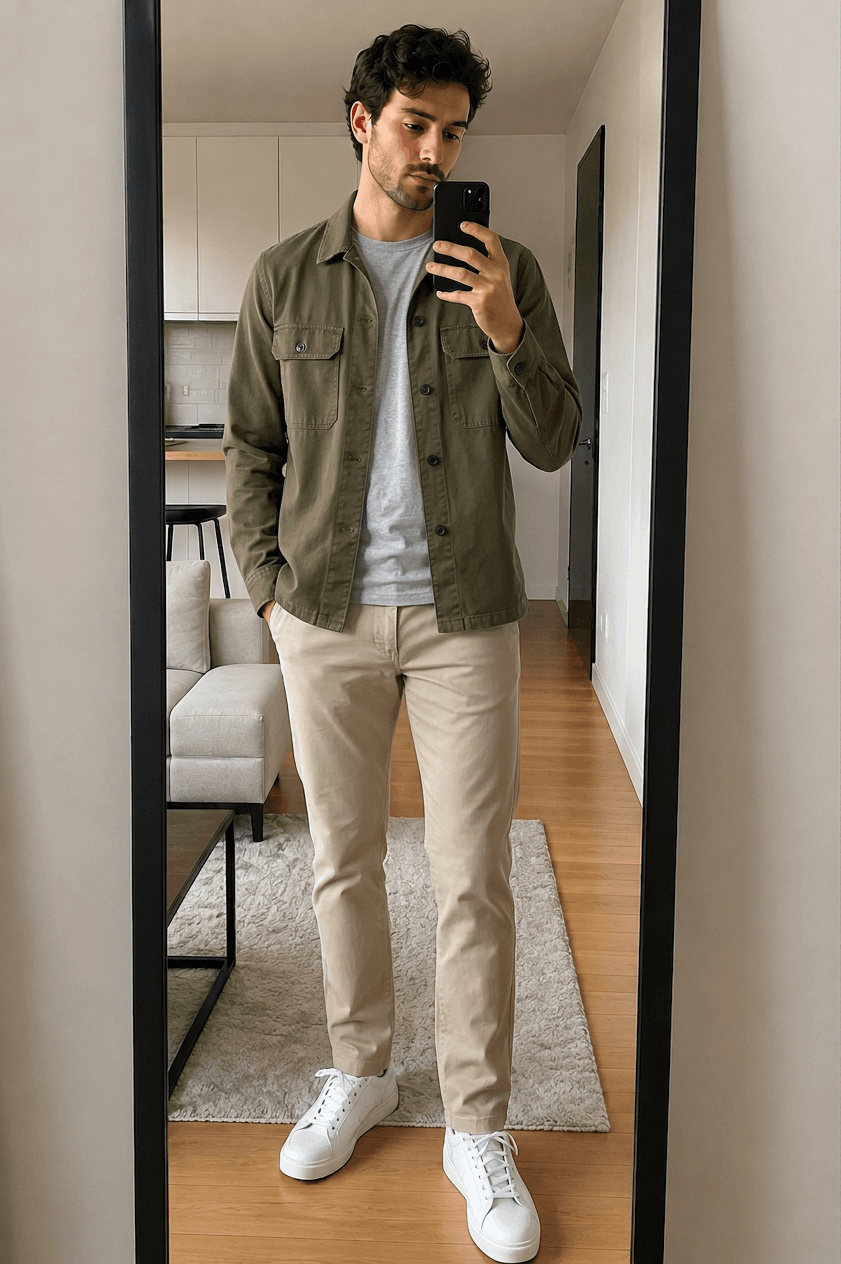
Reference person + olive overshirt + beige chinos → AI-generated preview. A visual reference, not a physical fitting or a guarantee of size, color, or fabric behavior.
Save the look before you find the next piece
You may find the blouse today and the trousers next week. Keep the combination and its original references together so you can return to the decision without rebuilding it from memory.
SeeWear is being built to keep saved pieces and try-ons in one place. The idea is to come back to an earlier look, add the next piece, and explore the outfit further. Public access is currently through the free waitlist while SeeWear is in private beta.
Include something you already own
Before ordering both pieces, consider whether one could work with something in your wardrobe. Could the new blouse go with your existing jeans? Would the trousers work with a jacket you already wear?
Use a clear reference of the item you own, and compare that combination alongside the all-new option. You may prefer the version that needs only one purchase. You may also discover that neither is a look you want to wear.
Check each store before checkout
A combined preview cannot tell you whether two retailers use the same sizing, whether a fabric stretches, or how the clothes will feel together. Check the size chart, measurements, fabric description, delivery terms, and return policy separately for each item.
AI may change garment details or your appearance. Compare the result with the source images, especially patterns, fastenings, and hems. For more on those limits, read how to preview clothes on yourself before ordering online.
The aim is a more considered outfit: pieces you like together, with a clear idea of when you would wear them and which ones you still need to buy.